









Artificial Intelligence & Machine Learning
,
Leadership & Executive Communication
,
Next-Generation Technologies & Secure Development
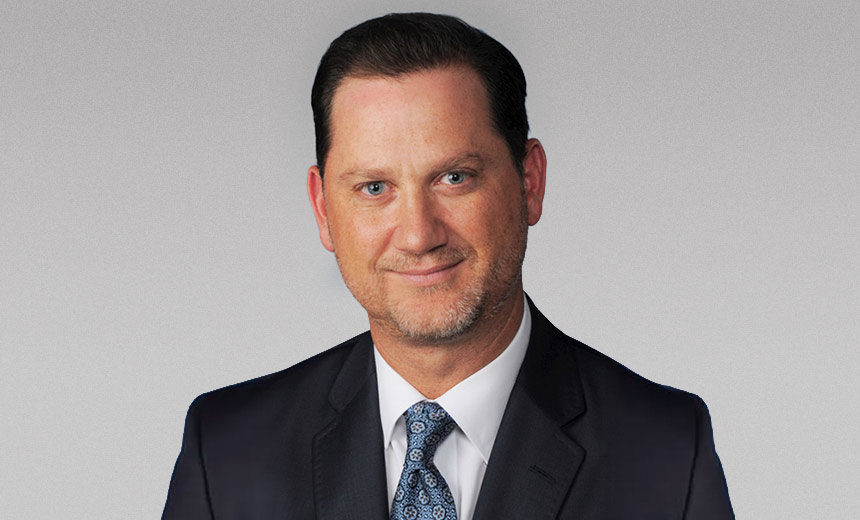
Jeffrey Sturman of WittKieffer on Building Healthcare AI Leadership Teams

Healthcare organizations are redefining executive leadership roles as artificial intelligence becomes embedded across clinical, operational and business functions, said Jeffrey Sturman, managing partner of the IT and digital leadership practice at executive search firm WittKieffer.
See Also: Why Great Customer Experience Means Zero Complexity
Before deciding whether to create a chief AI officer role, health systems need to identify leaders who can establish governance, align AI initiatives with strategic goals and guide responsible adoption across the enterprise, he said.
Organizations continue to evaluate whether a dedicated chief AI officer makes sense or whether existing executives, including CIOs, chief medical information officers or chief data officers, can lead AI initiatives. He said the answer depends on each organization’s strategic priorities, maturity and operational needs.
While large academic medical centers are more likely to invest in dedicated AI leadership, many healthcare organizations continue building governance frameworks before expanding executive roles. Successful AI leaders need clinical or healthcare operational expertise, strong communication skills, curiosity and the ability to educate executive teams and boards while evaluating rapidly evolving technologies, he said.
“What we’re seeing a lot in the market is this is really still very foundational. It’s very early in the evolution of what AI and what leaders in AI need to be focused in on,” he said. “Many of the organizations we’re talking to, many of the CEOs, the boards and our leadership, CIOs and the like are saying, ‘We need AI governance, and let’s start there,'” he said.
“Let’s talk about where governance plays so that we’re making the best decisions about how AI can come in and influence patient care delivery, influence efficiency and operations, influence the bottom line even over time,” he said.
In this video interview with ISMG, Sturman also discussed:
- How healthcare organizations can determine whether they need a chief AI officer or another executive to oversee AI initiatives;
- The skills, governance responsibilities and leadership qualities required for emerging AI executive roles;
- Why healthcare can learn from AI adoption strategies used in banking, finance, manufacturing and other industries.
Sturman is managing partner and IT practice leader of executive search firm WittKieffer. He brings more than 30 years of experience in technology leadership and consulting. Most recently, he served as senior vice president and chief digital information officer at Memorial Healthcare System/South Broward Hospital District, the third-largest public healthcare system in the U.S. In that role, he oversaw a diverse portfolio including IT, business intelligence, clinical engineering, clinical efficiency, population health and contact center operations, leading a team of more than 1,000 professionals and managing a $200 million annual budget.