









WASHINGTON (TNND) — The evolution of artificial intelligence and its integration into everyday life has occurred so rapidly that Congress hasn’t kept pace to regulate it, leaving a vacuum for states to fill with a patchwork of laws on AI safety, copyright and more.
The evolution of artificial intelligence and its integration into everyday life has occurred so rapidly that Congress hasn’t kept pace to regulate it, leaving a vacuum for states to fill with a patchwork of laws on AI safety, copyright and more. (TNND){ }
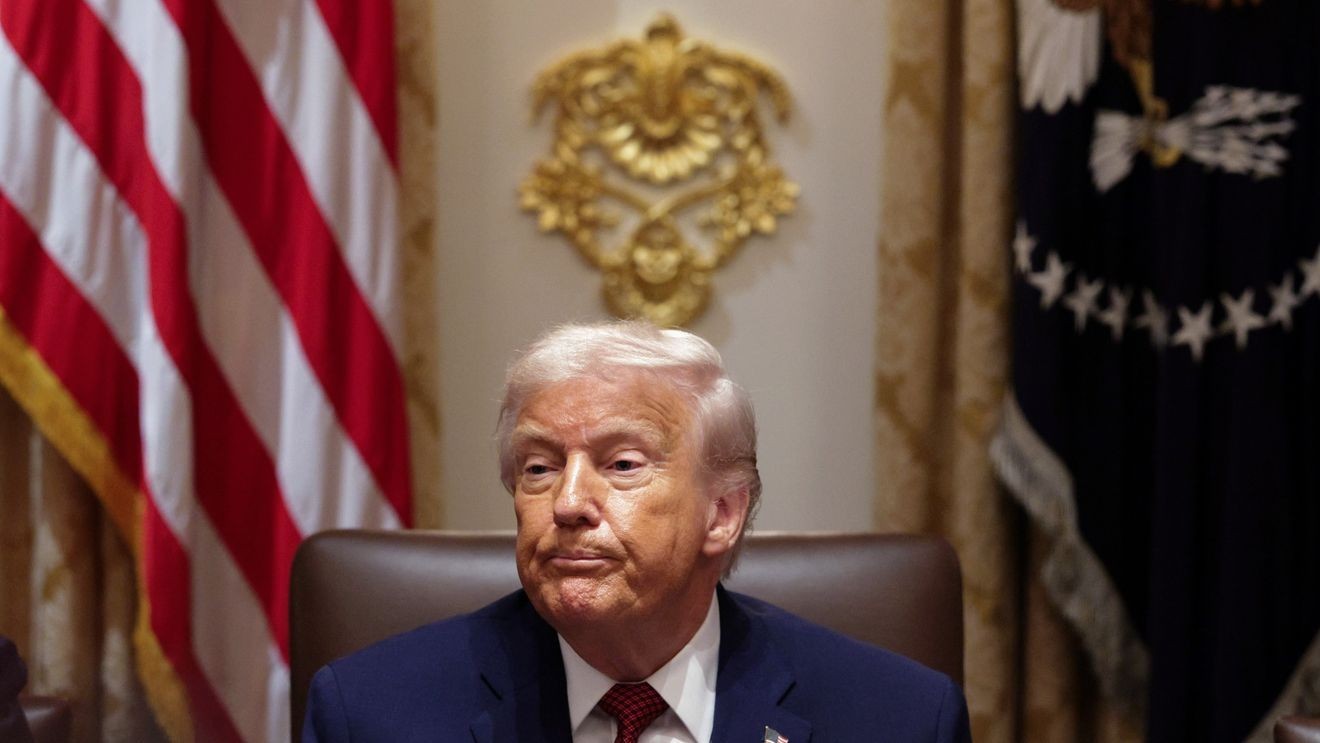
Monday morning, President Donald Trump announced on social media that he would sign an executive order to preempt these state laws.
“There must be only One Rulebook if we are going to continue to lead in AI. We are beating ALL COUNTRIES at this point in the race, but that won’t last long if we are going to have 50 States, many of them bad actors, involved in RULES and the APPROVAL PROCESS. THERE CAN BE NO DOUBT ABOUT THIS! AI WILL BE DESTROYED IN ITS INFANCY! I will be doing a ONE RULE Executive Order this week. You can’t expect a company to get 50 Approvals every time they want to do something. THAT WILL NEVER WORK!” Trump said.
Tech companies are eager to see this happen. Absent federal standards, they have been inclined to follow the strictest state law on the books.
“One of the things you see is that most legislation in the states on artificial intelligence is really being driven by a pessimistic kind of AI-doomer mentality and that’s not really where most voters are. Most voters want to capture the upsides of artificial intelligence, use it for their personal lives and their work lives, while minimizing its abuses and excesses. But the problem is, we don’t totally know what those abuses and excesses are yet. It’s a little early,” said Adam Kovacevich, founder and CEO of Chamber of Progress, a tech industry policy coalition.
Even Gov. Jared Polis, D-Colo., who signed first-in-the-nation comprehensive AI legislation last year, said leaving the issue to the states is counterproductive.
“To do this right, we really need federal action to establish a national regulatory framework for AI to preempt the states and avoid a patchwork of state laws that would deter from innovation and make it less efficient for consumers as well,” Polis said.
According to a count by the Brennan Center for Justice, the previous Congress introduced more than 150 AI-related bills. None became law. This Congress hasn’t done much better, which is why Gov. Ron DeSantis, R-Fla., who just last week introduced a state “AI Bill of Rights,” said Trump’s planned action doesn’t carry much weight.
“An executive order doesn’t/can’t preempt state legislative action. Congress could, theoretically, preempt states through legislation. The problem is that Congress hasn’t proposed any coherent regulatory scheme, but instead just wanted to block states from doing anything for 10 years, which would be an AI amnesty. I doubt Congress has the votes to pass this because it is so unpopular with the public,” DeSantis said.
Kovacevich also said Trump’s executive order isn’t a panacea for the regulatory vacuum.
“Having a federal standard for AI is a great idea, but it’s not going to happen with the stroke of an autopen,” Kovacevich said. “You need to get members of Congress, Republicans and Democrats, talking to each other about rules of the road and a federal standard that doesn’t just preempt states, but actually puts a real federal standard in place. And I don’t expect that to happen until next year, but that’s the thing that needs to happen urgently.”