









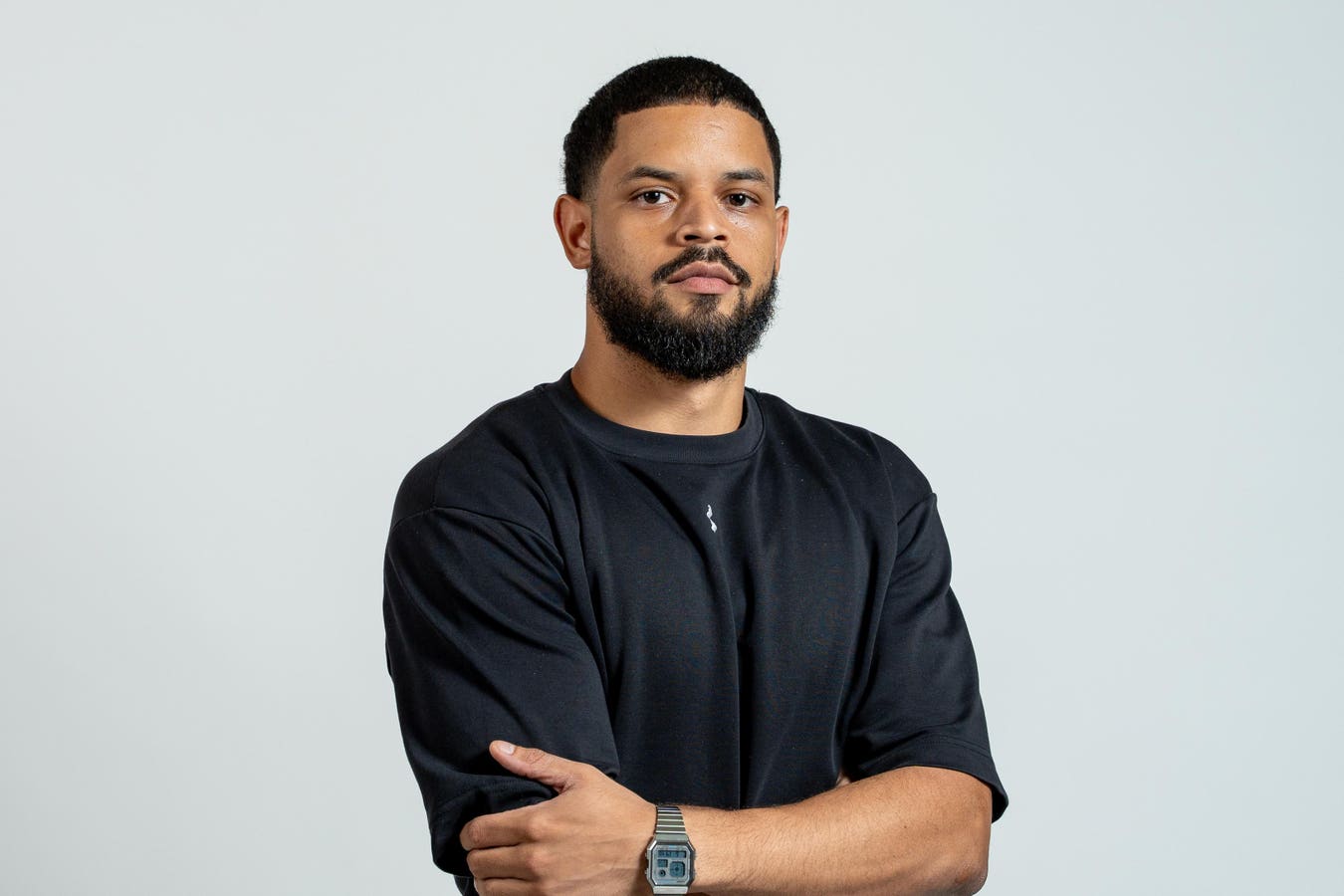
For Chandler Malone and Sam Aguilar AI offers good news and bad news. The bad, of course, includes the potential to eliminate thousands of jobs. But for entrepreneurs, there’s also a lot of promise, offering ways to jumpstart companies and build platforms much faster than ever before.

Chandler Malone
Leo Baralt of Alt Bar Creative
That’s what got them thinking about the potential for using AI to help would-be entrepreneurs with an idea but not much else. To that end, in August, they launched Bootup Studios, an AI platform aimed at helping newbie founders go from initial concept to customer discovery, product development, and go-to-market strategy. In addition, AI agents lend a hand helping to complete daily tasks necessary to make it all happen. “We’re helping people move from being displaced by AI to empowered by it,” says Malone.
“I’ve seen a lot of companies with different AI tools. But this one is especially interesting because it’s trained specifically on data around business challenges for business owners, especially in a startup ecosphere,” says Kylan Kester, founding director of the Morehouse Startup Studio and director of student initiatives at the Morehouse Innovation and Entrepreneurship Center.“This is a specific tool to share with our fellows who are at an early stage to help them start pressure testing their ideas before they spend a lot of time and effort building out a solution.”
Both cofounders are serial entrepreners. For example, Malone co-founded a few companies, such as a platform to help people find tech boot camps and a startup aimed at giving students and job-seekers more affordable access to test prep for college and graduate schools, as well as professional/technical certifications. That experience also gave him a birds-eye view of how to apply AI tools to building a platform.
How It Works
Malone and Aguilar’s concept is to give wannabe entrepreneurs the kind of startup and business insights that would normally require a team of advisors. “This is a business studio that gives people day to day advice across all the core functional areas of the business, the type of business they’ll run and the business model they select,” says Malone.
They also figure that the typical user will be an entrepreneur who doesn’t aim to build a unicorn and become a venture capitalist darling, but rather to produce, “a steady income and won’t be threatened by AI,” says Malone. “You’ve got a group of individuals who understand what production level quality offerings look like and what operational excellence looks like, just not a ton of entrepreneurial experience.”
The platform lets users choose from multiple types of business and then explore different ways of building out their selection. Chandler points to a startup with a protein-infused ice cream product. Founders could choose an ecommerce model, relying heavily on influencers. Or they could opt for a frozen treats product targeting health food stores and gyms with private label subscription boxes. “You’ll select whatever model makes the most sense,” says Malone. For example, if you have relationships with gyms and health food stores, the b-to-b route might make more sense.
After you’ve picked your model, you start getting daily advice for everything from customer discovery to getting the product out and your financial and operational strategy. For example, for customer discovery, you’d get a series of questions for potential customers zeroing in on their habits (“Tell me about your current fitness routine and diet,” for example) and challenges ( ‘If you’ve tried protein-infused desserts what was your experience?” or “What challenges do you face when trying to find protein snacks that fit your macros or dietary restrictions?”)
The platform also connects into apps customers may use day-to-day, according to Malone. That’s what allows its AI agents to do jobs on your behalf, following through on a long series of tasks. One caveat: Users have to instruct agents to take action. “We don’t want to have our agents going rogue,” he says.
Thanks to previous relationships, universities reached out to the company, according to Malone. They’re now working with Morehouse College and the University of Tulsa and in conversation with others. Because job contractions are especially noteworthy among college-educated entry-level workers, Malone suspects that’s one reason for the interest from colleges. (Universities pay an annual fee, while individuals can purchase it for themselves on the web site).
The company first did a beta at Morehouse, where they got a lot of useful feedback. Malone says the final version is quite different from the one they originally tried out. That includes everything from a revised user interface to the ability to ask agents to take an action and the background colors.
So far, the company has raised a “small angel round”—Malone doesn’t want to provide the number—and also recently did a six-week residency at Antler VC.
“The AI tools that are going crazy in the market are the ones that allow individuals or small teams do way more than they could have done before,” says Malone. “There are everyday Americans who need help now because they lost their jobs.”